

On this page
Top picks at a glance
As an Amazon Associate I earn from qualifying purchases.
- 1
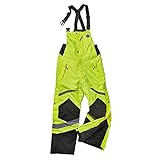 Ergodyne GloWear 8928 Insulated Thermal Bib Overalls9.7/10View on Amazon
- 2
 MUCK Chore Classic Men's Steel Toe Boot9.6/10View on Amazon
- 3
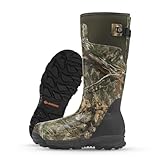 LaCrosse Alphaburly Pro 18-Inch 1000G Insulated Hunting Boot9.7/10View on Amazon
- 4
 Muck Boots Arctic Pro BarkView on Amazon
- 5
 MUCK Women's Arctic Sport II Tall BootView on Amazon
- 6
 MUCK Women's Arctic Sport II Mid BootView on Amazon
- 7
 MUCK Boot mens Arctic Excursion Ankle Snow BootView on Amazon
- 8
 MUCK Arctic Excursion Mid-Height Rubber Men's Winter BootsView on Amazon
- 9
 Muck Chore Classic Men's Rubber Work BootsView on Amazon
Morning milking starts with cold hands, a bucket that needs carrying across wet ground, and goats crowding the gate while boots sink into mud by the fence. Insulated vs uninsulated muck boots come down to how much warmth the lining holds during chores and how much heat escapes when work keeps moving, and the boots compared here all carry insulation of some kind, with no uninsulated boot among them, so the choice is between heavier cold weather insulation and lighter breathable lining.
Also worth comparing
 Muck Boots Arctic Pro BarkCheck price on Amazon
 MUCK Women's Arctic Sport II Tall BootCheck price on Amazon
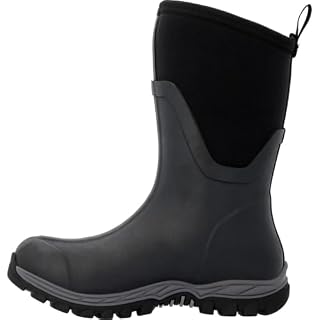 MUCK Women's Arctic Sport II Mid BootCheck price on Amazon
 MUCK Boot mens Arctic Excursion Ankle Snow BootCheck price on Amazon
 MUCK Arctic Excursion Mid-Height Rubber Men's Winter BootsCheck price on Amazon
 Muck Chore Classic Men's Rubber Work BootsCheck price on Amazon
GoatGearLab earns a commission when you buy through links on this page, at no extra cost to you. As an Amazon Associate I earn from qualifying purchases. Affiliate disclosure.
Insulated vs uninsulated muck boots: the short answer
Choose heavier insulation when chores mean standing in cold mud, waiting by the gate or working through wind with little movement to stay warm. Choose lighter breathable lining when chores mean steady walking, lifting and carrying, and when the same boots must work through mild weather without trapping heat. Among the boots compared here, the Arctic Pro Bark carries the thickest stated neoprene and coldest stated rating, while the HISEA boot carries breathable lining and the warmest stated rating.
If you would rather go straight to the products, our best muck boots for cold weather roundup compares cold weather boots on these points.
Four insulated boots compared
| Boot | Stated insulation | Stated comfort range | Stated height and size |
|---|---|---|---|
| Muck Boots Arctic Pro Bark | 8 mm neoprene, fleece lining, 2 mm thermal foam | -60 °F to 30 °F | 17-inch height, Size 10 |
| Hunthor Insulated Hunting Boots | 800g Thinsulate, 6mm neoprene | Not stated | Size 9 |
| MUCK Women’s Arctic Sport II Tall Boot | 5mm neoprene, warm lining | Not stated | Size 7 |
| HISEA Men’s Rain Boots | 5mm CR flex-foam, 2mm breathable lining | 14 °F to 86 °F | 12.6 inch shaft, Size 10 |
Muck Boots Arctic Pro Bark
The maker lists 8 mm neoprene with fleece lining and 2 mm thermal foam under the footbed, rated at -60 °F to 30 °F (-50 °C to -1 °C), with a 17-inch height, a stretch-fit topline, a lightweight EVA midsole and a Bob-Tracker outsole. The maker describes this boot as the warmest in the Muck line and states high-grade rubber construction. Stated weight is 2.25 pounds in Size 10, in Tan/Bark.
Hunthor Insulated Hunting Boots
The maker lists 800g Thinsulate insulation combined with 6mm neoprene, a full rubber shell, a lightweight EVA midsole, a steel shank and a high-traction rubber outsole, in Size 9 in Next Camo G2. The maker states that the insulation creates a snugger fit and suggests sizing up for wide feet or extra room. No comfort temperature range is stated for this boot.
MUCK Women’s Arctic Sport II Tall Boot
The maker lists a 5mm neoprene bootie with warm lining, a bioDEWIX dry footbed insert with NZYM for odor control and moisture management, extended rubber coverage and a lightweight midsole, in Size 7 in Dk Olive/Herringbone. Stated weight is 4.6 pounds, with stated dimensions of 22.0 inches by 14.0 inches by 5.0 inches. No comfort temperature range is stated for this boot.
HISEA Men’s Rain Boots
The maker lists 5mm CR flex-foam booties with 2mm breathable H-Airmesh lining, rated at 14 °F to 86 °F (-10 °C to 30 °C), with a shaft that measures 12.6 inches from the floor, an EVA removable insole and triple rubber layers at heel and toe, in Size 10 in Camo. The maker states that the bootleg can be rolled down to make the boot cooler when temperature rises.
Reading temperature ratings against your chores
Temperature ratings here are maker stated comfort ranges, and makers state them differently. The Arctic Pro Bark is rated at -60 °F to 30 °F (-50 °C to -1 °C). The HISEA boot is rated at 14 °F to 86 °F (-10 °C to 30 °C). The Hunthor boot and the Arctic Sport II boot state no comfort temperature range, so thickness and lining are the only stated guides to warmth for those boots.
Match the rating to the chore rather than to the coldest morning alone. Standing work in mud and wind favors the colder rating and thicker neoprene. Moving work that raises body heat favors the breathable lining and warmer rating, especially when boots stay on through changing weather. Where no range is stated, compare neoprene thickness and lining type and leave room for socks, as the Hunthor maker suggests for wide feet.
Fit, height and where the boot goes
Height decides how much mud, bedding and shallow water the shaft keeps out. The Arctic Pro Bark states a 17-inch height. The HISEA boot states a shaft that measures 12.6 inches from the floor. The Hunthor boot and the Arctic Sport II boot state no shaft height, so check calf fit and gusset room before ordering. The Hunthor maker lists an adjustable back gusset for different calf sizes and a kick tab for removal, and the Arctic Pro Bark maker lists rear pull loops and a stretch-fit topline that snugs the calf.
Fit also decides whether thick socks work with the boot. Insulated boots fit closer than uninsulated boots, and the Hunthor maker states that sizing up suits wide feet or extra room. Plan sock thickness with the boot rather than after it, and see our wool work socks picks for stated sock options that suit barn work.
Materials: neoprene, linings and rubber shells
Material sets how the boot holds warmth and how it handles daily mud and water. The boots compared here use stated combinations of neoprene, foam, fleece, Thinsulate and rubber:
- 8 mm neoprene with fleece lining: the Arctic Pro Bark, with 2 mm thermal foam under the footbed.
- 6mm neoprene with 800g Thinsulate: the Hunthor boot, with a full rubber shell.
- 5mm neoprene with warm lining: the Arctic Sport II boot, with extended rubber coverage.
- 5mm CR flex-foam with 2mm breathable lining: the HISEA boot, stated as suitable for year-round use.
Thicker neoprene with fleece or Thinsulate lining points toward colder chores. Breathable mesh lining points toward moving work and milder weather. Rubber shells point toward wet ground and shallow water.
Footbeds, midsoles and outsoles
Footbed, midsole and outsole choices affect comfort and grip on mud and wet ground. The Arctic Pro Bark maker lists a lightweight EVA midsole and a Bob-Tracker outsole. The Hunthor maker lists a lightweight EVA midsole, a steel shank and a high-traction rubber outsole for mud and uneven terrain. The Arctic Sport II maker lists a bioDEWIX dry footbed insert and a lightweight midsole. The HISEA maker lists an EVA removable insole and aggressive anti-slip rubber outsoles. Our heated boot dryer picks compare stated dryer options for drying boots between chores.
Read the listing twice
Muck boot listings often give conflicting or incomplete figures, and the figures that conflict are usually the ones needed to choose size and warmth:
- Arctic Pro Bark: the maker gives two comfort ranges, -60 °F to 30 °F and -60 °F to 40 °F; check before ordering.
- Arctic Pro Bark: stated weight is 2.25 pounds, with no usable length and width stated for planning storage.
- Hunthor: no comfort temperature range and no shaft height are stated, and fit is stated as snugger with insulation.
- HISEA: the boot is described as insulated and also as breathable with a roll-down bootleg, so warmth depends on how the shaft is worn.
Check size charts, calf room and stated ranges before ordering. This guide reports stated thickness, lining and ranges only.
What this guide does not cover
This guide covers boot construction only. It does not cover foot health, sock medical claims or any health question. Ask a clinician about foot health questions and choose boots on stated fit, thickness and ranges.
FAQs from goat keepers
Should barn boots be insulated or uninsulated?
Choose insulated boots for standing work in cold mud and wind, and choose lighter breathable lining for moving work and mild weather. The boots compared here all carry insulation, from 8 mm neoprene with fleece lining to 5mm foam with 2mm breathable lining.
What temperature are insulated muck boots rated for?
Ratings vary by maker. The Arctic Pro Bark is rated at -60 °F to 30 °F (-50 °C to -1 °C), and the HISEA boot is rated at 14 °F to 86 °F (-10 °C to 30 °C). The Hunthor and Arctic Sport II boots state no comfort temperature range.
Do insulated muck boots fit true to size?
Insulated boots fit closer than uninsulated boots. The Hunthor maker states that 800g Thinsulate insulation creates a snugger fit and suggests sizing up for wide feet or extra room for socks.
How tall should muck boots be for barn chores?
Taller shafts keep out more mud and shallow water. The Arctic Pro Bark states a 17-inch height, and the HISEA boot states a shaft that measures 12.6 inches from the floor. Match height to mud depth and calf fit in your barn and pasture.
Can insulated muck boots be worn in mild weather?
Lighter breathable lining suits mild weather better than heavy fleece lining. The HISEA boot is rated to 86 °F and the maker states that the bootleg can be rolled down to make the boot cooler when temperature rises.
More from the barn
See every farm workwear guide and all barn and farm tools guides.
More picks: best muck boots for cold weather, insulated rubber boots, barn boots vs muck boots and wool work socks.