

On this page
Top picks at a glance
As an Amazon Associate I earn from qualifying purchases.
- 1
 QWORK 4lb Salt Block Holder 2-Pack for Mineral Blocks9.7/10View on Amazon
- 2
 REDMOND Rock Crushed Loose Mineral Salt ElectrolyteView on Amazon
- 3
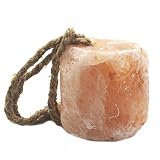 Himalayan Salt Lick Natural Minerals Block on Rope for HorsesView on Amazon
Loose mineral vs mineral block comes down to form, not formula. Loose mineral is a powder or granular mix served free choice in a feeder, and a mineral block is the same idea pressed into a hard solid the goat licks. The short answer: loose mineral in a covered feeder is the more common setup for goats because they can take what they want with each mouthful, while a block is simpler to place and stands up to weather. Which one fits depends on your feeder, your weather and how closely you watch intake.
Also worth comparing
 REDMOND Rock Crushed Loose Mineral Salt ElectrolyteCheck price on Amazon
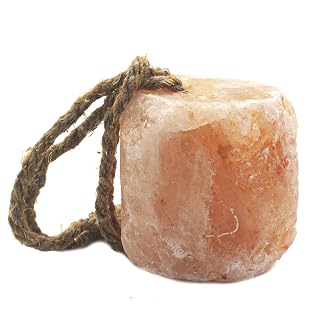 Himalayan Salt Lick Natural Minerals Block on Rope for HorsesCheck price on Amazon
GoatGearLab earns a commission when you buy through links on this page, at no extra cost to you. As an Amazon Associate I earn from qualifying purchases. Affiliate disclosure.
What loose mineral is
Loose mineral is sold as a loose powder or small granules and is offered free choice, which means it sits out all the time and each goat eats what it wants. It goes in a mineral feeder, ideally one with a lid or flap that keeps rain off, mounted or hung where goats can reach it but cannot knock it over. Because it is loose, a goat gets a full mouthful with every bite, and you can see at a glance how fast the level drops. The trade is weather: loose mineral that gets wet cakes into a hard lump or washes out of the feeder, so the feeder and its placement matter as much as the mineral itself.
What a mineral block is
A mineral block is a compressed solid, usually sold as a block or a small brick, that the goat licks rather than bites. You set it on the ground, on a clean dry surface, or in a block holder, and there is nothing to fill and no feeder to mount. The hard surface means intake per lick is small, so a block lasts a long time and shrugs off rain that would ruin loose mineral. The trade is the other side of the same coin: a goat that needs more has to work harder for it, and you cannot tell from looking how much any one animal took.
| Form | How it is served | Weather | Waste | Refill effort |
|---|---|---|---|---|
| Loose mineral | Free choice in a covered feeder | Cakes or washes out when wet; needs a lid | Spilled powder is lost | Top up the feeder regularly |
| Mineral block | Set out for licking, on the ground or in a holder | Sheds rain; lasts outdoors | Crumbles at the end are hard to use | Replace the block when it is gone |
Weather decides more than people expect
If your mineral sits under a roof, either form works. If it sits in the open, weather picks the winner. Loose mineral in an uncovered feeder turns to a brick after the first hard rain, and a feeder that floods washes the mineral out entirely. That is why loose mineral feeders come with lids and flaps: the lid is not a luxury, it is what makes the form work. A block, by contrast, is already a solid, so rain runs off it and it keeps its shape through weather that would destroy a pan of loose mineral. For a pasture feeder with no shelter overhead, that durability is the block’s strongest argument. Our best goat mineral feeder with lid guide compares covered feeders for loose mineral.
Feeders and placement
Loose mineral needs a feeder; a block needs a spot. A good mineral feeder mounts on a wall or fence at goat height, holds enough for several days, and has a lid or flap the goats learn to push. Hang or mount it where it stays dry and where goats cannot climb into it, and check the level on your normal chore rounds. A block wants a clean, dry surface off the mud, or a simple holder that keeps it from rolling. Either way, keep the mineral where the goats actually spend time: a feeder at the far end of a pasture nobody visits will sit untouched, whichever form you choose. See the mineral feeders section for feeder styles.
Loose mineral vs mineral block: which one fits your setup
Choose loose mineral if your goats have shelter or a covered feeder, you want to see intake at a glance, and you are willing to top up a feeder on a schedule. The covered feeder is the price of admission, but once it is up, loose mineral is the most flexible form. Choose a block if the mineral will live outdoors with no cover, you want the lowest maintenance option, or you keep goats somewhere you visit less often. Many keepers run both: loose mineral in the barn feeder and a block out on pasture. There is no rule against it, and it covers both situations without any extra management.
Watch intake however you serve it. With loose mineral, the falling level in the feeder tells you the herd is using it. With a block, look for a smooth worn face and rounded edges. If a form sits untouched for weeks, the problem is usually placement or weather, not the mineral: move it closer to water or loafing areas, or get it under cover. For the rest of the feeding setup, see our best feed pan for goats guide and every feeding and water guide.
FAQs from goat keepers
Can goats get enough mineral from a block?
A block gives a little with each lick because the surface is hard, so intake is slower than with loose mineral. Whether that is enough depends on the herd and the situation; watch the block for wear and watch the goats.
Do I need a special feeder for loose mineral?
Yes, a feeder with a lid or flap. Loose mineral cakes or washes out when it gets wet, so an open pan will not do. A covered mineral feeder keeps it dry and usable.
What happens when loose mineral gets wet?
It cakes into a hard mass or washes out of the feeder, and goats will not eat the caked lump the way they eat fresh loose mineral. Dump it, clean the feeder and refill with dry mineral.
Can I put a mineral block on the ground?
You can, on a clean dry surface. Mud and manure will foul the bottom of the block, so a holder or a dry spot keeps it cleaner and lasts longer.
Can I offer both forms at once?
Yes. Many keepers keep loose mineral in a covered barn feeder and a block out on pasture. The two forms do not conflict; they just cover different situations.
More from the barn
See every mineral feeders guide and all feeding and water guides.
More picks: goat mineral feeders, mineral feeders with lids, feed pans for goats and goat shelters.