

On this page
Top picks at a glance
As an Amazon Associate I earn from qualifying purchases.
- 1
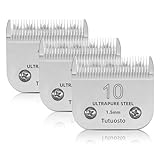 Tutuosto Size 10 Clipper Blade 3-Pack for Andis9.7/10View on Amazon
- 2
 Wahl KM Supera Cordless Equine Clipper9.7/10View on Amazon
- 3
 Wahl Genuine Color Coded Clipper Guard Set9.7/10View on Amazon
- 4
 Oster Professional Fast Feed Adjustable Pivot Motor ClippersView on Amazon
- 5
 Oster Fast Feed Adjustable Pivot Motor Clipper 76023-510View on Amazon
- 6
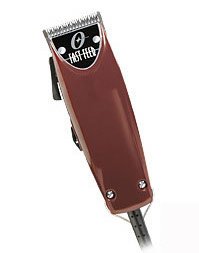 Oster Fast Feed Pivot Motor Clipper Brand: OsterView on Amazon
- 7
 Stylecraft Protégé Cordless Hair Clipper Super Charged MotorView on Amazon
Spring clipping day means a pile of winter coat on the barn floor and a goat that will not stand still, so the motor inside your clippers decides how the morning goes. The question of pivot motor vs rotary motor clippers comes down to this: pivot motors trade raw power for blade speed and a quieter cut, while rotary motors trade speed for the torque that pushes through thick, matted coats. We compared the listings behind common clipper motors, including several pivot-motor clippers and an electromagnetic motor its maker says cuts at twice the speed of pivot motors, to explain what each motor type does and which chores each suits. Every number below comes from a product listing; where a listing gives no figure, we say so.
Also worth comparing
 Oster Professional Fast Feed Adjustable Pivot Motor ClippersCheck price on Amazon
 Oster Fast Feed Adjustable Pivot Motor Clipper 76023-510Check price on Amazon
- Oster Fast Feed Pivot Motor Clipper Brand: OsterCheck price on Amazon
 Stylecraft Protégé Cordless Hair Clipper Super Charged MotorCheck price on Amazon
GoatGearLab earns a commission when you buy through links on this page, at no extra cost to you. As an Amazon Associate I earn from qualifying purchases. Affiliate disclosure.
Pivot motor vs rotary motor clippers: the short answer
Pick a pivot motor when most of your clipping is routine: body clipping before shows, touch-ups and blending, where a quieter tool and a fine blade matter more than brute force. Pick a rotary motor when you regularly face the hard jobs: full-body clips on thick winter coats or matted hair that stalls a weaker motor. If you would rather go straight to the products, our best goat clippers roundup scores five livestock clippers on these points.
How a pivot motor works
A pivot motor moves the blade with a small arm that rocks back and forth on a pivot point, which gives high blade speed with less pushing power than a rotary design. Makers describe their pivot clippers as quiet: both the Oster Fast Feed line and the Andis Ultra Clip combo call their pivot motors “whisper quiet” in the listings. The Oster Fast Feed listings pair the pivot motor with a steel blade that adjusts between size 000 and 1 and include 4 guide combs (blending, 1/4″, 3/8″, 1/2″) with an 8 ft power cord on the corded versions.
The cordless Oster Fast Feed shows what a pivot motor looks like off the cord: a lithium-ion battery with 120 minutes of run time on a 100-minute charge, plus adaptive speed control that the listing says adjusts to hold power in dense hair. Andis packages its pivot motor as a 15-piece clipper and trimmer combo with trimmer combs in 3 to 7 mm and 8 to 12 mm. The pattern across these listings is consistent: pivot motors are sold for controlled, quieter cutting and fading rather than for forcing through the heaviest coats.
How a rotary motor works
A rotary motor spins and drives the blade directly, which gives more torque at lower blade speed than a pivot design. That torque is why rotary clippers are the usual pick for the heaviest work: thick winter coats, dirty hair and matted areas where a pivot motor can stall. None of the reference listings we compared names a rotary motor; they name pivot motors and one electromagnetic motor. Wahl’s Balding clipper lists a V5000 electromagnetic motor that the maker says cuts at twice the speed of pivot motors, which shows how makers position motor types against each other: speed against speed, power against power.
Because rotary motors work harder, they usually run louder and warmer than pivot motors, and they often sit in heavier housings. That matters on clipping day: a louder tool near a nervous goat’s ears is a handling question, not just a comfort question.
Pivot vs rotary at a glance
| Motor | How it cuts | Suits | Watch for |
|---|---|---|---|
| Pivot | High blade speed, less torque | Routine clipping, fading, touch-ups | Can stall in heavy matted coats |
| Rotary | More torque, lower blade speed | Thick, dirty or matted coats | Louder, warmer, often heavier |
| Electromagnetic (Wahl V5000) | Maker claims twice pivot-motor speed | Ultra-close work, balding | Built for close cutting, not all-round use |
Which motor should you buy?
Match the motor to the coats you actually clip. If your herd gets clipped on a schedule and the hair is clean and combed, a pivot motor covers the work: the Oster Fast Feed’s 000 to 1 blade range and four combs handle body work and blending, and the “whisper quiet” motor is easier on nervous animals. If you buy goats with unknown histories or clip once a year through a full winter coat, a rotary motor’s extra torque earns its keep.
Then check the power source the same way. A corded pivot clipper with an 8 ft cord never runs out of charge mid-goat, while the cordless Oster’s 120 minutes of run time suits pens far from an outlet if you remember the 100-minute charge. Read our corded vs cordless goat clippers guide before you decide, and see cordless clippers for goats if the barn has no nearby outlet.
Read the listing twice
Clipper listings contradict themselves, and the motor is rarely the part that conflicts. The numbers that conflict are usually the ones you need to plan the purchase:
- Oster Fast Feed: the title says 3 comb guides while the bullets say 4 guide combs (blending, 1/4″, 3/8″, 1/2″).
- Andis Ultra Clip combo: the title says corded, but the spec table says battery powered and rechargeable.
- Oster Fast Feed: item weight is 1.2 pounds in one field and 1.16 pounds in the product dimensions.
Trust the title and bullets over the spec table, and confirm the motor type in the title or bullets before you buy: every pivot motor in these listings is named there, not buried in the specs.
What this guide does not cover
This guide covers motor types only. It does not cover blade sharpening, clipping technique or any animal health question. For health questions, ask your veterinarian.
FAQs from goat keepers
Which is better: pivot or rotary motor clippers?
Neither wins outright. Pivot motors suit routine clipping and fading with a quieter cut, while rotary motors suit thick, matted coats where torque matters more than blade speed.
Are pivot motor clippers quiet?
The makers say so: Oster and Andis both call their pivot motors “whisper quiet” in these listings. That is a maker claim, and individual goats will still react to any new sound.
Can pivot motor clippers cut thick hair?
Oster’s Fast Feed listing says its pivot motor cuts through all types of hair, wet or dry, and the cordless version adds adaptive speed control for dense hair. For heavily matted coats, a rotary motor’s extra torque is the stronger pick.
What does “twice the speed of pivot motors” mean?
It is Wahl’s claim for the V5000 electromagnetic motor in the Wahl Balding clipper: the listing says it cuts at twice the speed of pivot motors. The same listing pairs it with 2 cutting guides (1/16″ and 3/16″) for skin and bald fades.
Should I buy corded or cordless?
Corded pivot clippers here list an 8 ft power cord, while the cordless Oster lists 120 minutes of run time on a 100-minute charge. Pick corded for all-day clipping near an outlet and cordless for pens without one.
More from the barn
See every goat clipper guide and all grooming and handling guides.
More picks: best goat clippers, corded vs cordless clippers, sheep shears vs goat clippers and goat hoof trimmers.