

On this page
Top picks at a glance
As an Amazon Associate I earn from qualifying purchases.
- 1
 Leinuosen 3-Pack Wet Felting Tool Set with Ball Sprinkler9.6/10View on Amazon
- 2
 Woolbuddy Needle Felting Kit Starter Set9.7/10View on Amazon
- 3
 Leinuosen 2-Piece Wet Felting Tool Set with Ball Sprinkler9.5/10View on Amazon
- 4
 3.53oz Needle Felting Wool Roving Wool for Felting WoolView on Amazon
- 5
 Ball Brause Sprinkler for Wet FeltingView on Amazon
- 6
 Wonvoc 8 OZ Core Wool for Needle FeltingView on Amazon
- 7
 3.53oz Needle Felting Wool Roving for Needle Felting WhiteView on Amazon
- 8
 3.53oz Needle Felting Wool Roving for Needle Felting BlackView on Amazon
Wet felting vs needle felting is a choice between two ways to turn loose wool into solid felt. Wet felting uses water, soap and rubbing to mat wool fibers into flat felt, while needle felting uses barbed needles to tangle wool into sculpted shapes. Flat pieces such as scarves, hats and slippers come faster from wet felting, while small figures and fine detail come easier from needle felting. This guide compares the two methods, the wool that suits both and the tools each method needs.
Also worth comparing
 3.53oz Needle Felting Wool Roving Wool for Felting WoolCheck price on Amazon
 Ball Brause Sprinkler for Wet FeltingCheck price on Amazon
 Wonvoc 8 OZ Core Wool for Needle FeltingCheck price on Amazon
 3.53oz Needle Felting Wool Roving for Needle Felting WhiteCheck price on Amazon
 3.53oz Needle Felting Wool Roving for Needle Felting BlackCheck price on Amazon
GoatGearLab earns a commission when you buy through links on this page, at no extra cost to you. As an Amazon Associate I earn from qualifying purchases. Affiliate disclosure.
Wet felting vs needle felting: the short answer
Wet felting mats wool with water, soap and friction, which makes it the quicker way to cover a large flat area. Needle felting pushes barbed needles through loose wool again and again, which makes it the better way to build a small shape and add detail. The same wool roving works for both: the JUPEAN roving and the Woolbuddy kit are both listed for needle felting and wet felting. Choose wet felting for flat work and needle felting for sculpted work, and keep a sprinkler ball and a shaping tool on hand for the wet side.
Two methods compared
| Method | What it uses | What it makes | Best for |
|---|---|---|---|
| Wet felting | Water, soap and rubbing | Flat felt for scarves, hats and slippers | Flat pieces and seams |
| Needle felting | Barbed needles | Sculpted figures and fine detail | Characters, animals and detail work |
Wet felting
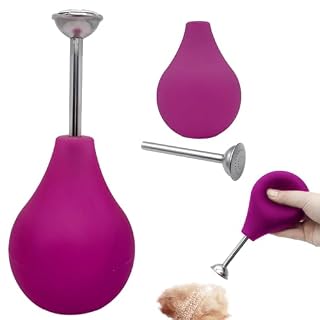
Wet felting starts with loose wool laid out in layers, then water and soap are added and the fibers are rubbed until they mat into a single piece of felt. A sprinkler ball wets the surface a little at a time: the Huaerle ball holds water in a soft silicone body and releases it through a steel sprinkler head, with a maximum diameter of 3.1 inches. Hot water can burn hands, so the ball keeps fingers away from the water while it wets the wool. Once the fibers start to mat, a shaping tool presses seams together: the KIBBEH shaping tool has a wavy surface that grips wet fibers and a contoured handle for long sessions. Wet felting suits flat felts, hats, slippers and seam work, which is the use the KIBBEH set lists.
Needle felting
Needle felting starts with loose wool and a barbed needle that tangles the fibers each time it pushes through. The wool firms up where the needle passes, so a shape can be built up a little at a time and detail added where it is needed. Corriedale wool suits this work: the Woolbuddy kit lists 40 colors of Corriedale wool roving, carded and clean, for characters, animals and abstract felt art. The JUPEAN roving is a single grass green color in a 100g bag, which suits a project that needs one color in bulk. Needle felting needs no water and no drying time, so it fits a tabletop and a short session.
The wool for both methods
The two wools in this guide both work for wet felting and needle felting, so the choice comes down to color range and pack size. The Woolbuddy kit leads the pair: 40 colors of Corriedale wool roving with an instruction included, sized 6.0 inches by 10.0 inches by 2.0 inches, for adults and beginners. The kit suits characters, animals and abstract felt art, and the maker lists a 30 day warranty after purchase. The JUPEAN roving follows it: 3.53oz of grass green wool in a 100g bag, one color per bag, for needle felting, wet felting, spinning and weaving. A single-color bag suits a project that uses one color throughout, while the 40-color kit suits a project that mixes colors.
The tools for wet felting
Wet felting needs water applied a little at a time and a way to press seams together, and the two tools in this guide cover both jobs. The KIBBEH set leads: a 2 pack with a ball sprinkler and a shaping tool, in green and black, sized 3.0 inches by 2.0 inches by 0.2 inches and weighing 0.02 pounds. The sprinkler wets the wool evenly, the wavy shaping tool fuses seams, and the set also works for hats, slippers and flat felts. The Huaerle sprinkler ball follows: a purple silicone ball with a detachable steel head, a maximum diameter of 3.1 inches, sold as 1 spherical water storage tool with 1 metal sprinkler nozzle. It does the same wetting job on its own, and its sprinkler also doubles as a gentle watering tool for plants.
Which method should you choose
Choose by the shape of the finished piece. Flat work such as scarves, hats, slippers and seam work belongs to wet felting, where water and rubbing cover a wide area at once. Sculpted work such as characters, animals and fine detail belongs to needle felting, where each pass of the needle firms one small spot. If the project mixes both, start wet for the flat base and finish with the needle for the detail: the Woolbuddy kit and the JUPEAN roving both work either way. A wet felting tools roundup covers the sprinkler and shaping side in more depth, and a needle felting kit for beginners covers the sculpted side.
FAQs from goat keepers
Can the same wool be used for wet felting and needle felting?
Yes. The JUPEAN roving is listed for needle felting and wet felting, and the Woolbuddy kit lists Corriedale wool for needle and wet felting. One roving can cover both methods, so a single bag or kit is enough to try each one.
What does a sprinkler ball do in wet felting?
It wets the wool a little at a time. The Huaerle ball holds water in a soft silicone body and releases it through a steel head, with a maximum diameter of 3.1 inches, so the surface wets evenly without dipping hands in hot water.
Do I need a shaping tool for wet felting?
It helps with seams and shaping. The KIBBEH shaping tool has a wavy surface that grips wet fibers and a contoured handle, and the set lists seam work, flat felts, hats and slippers as uses. A sprinkler alone can wet the wool, but it cannot press a seam together.
How much wool comes in a bag?
The JUPEAN roving comes as 100g per bag, with one color in each bag. The Woolbuddy kit holds 40 colors of Corriedale wool roving in a 6.0 inch by 10.0 inch by 2.0 inch kit, so the kit suits a project that mixes colors.
Can beginners start with a felting kit?
Yes. The Woolbuddy kit is listed for adults and beginners and includes an instruction, with 40 colors to practice on. Start with a small flat piece or a simple figure, and add tools such as a sprinkler ball once the basic method feels familiar.
More from the barn
See every carding and felting guide and all wool and fiber guides.
More picks: best felting fiber, wool felting tools, needles for needle felting and felting sheets.