

On this page
Top picks at a glance
As an Amazon Associate I earn from qualifying purchases.
- 1
 VEVOR Goat Milking Machine9.7/10View on Amazon
- 2
 Hantop 6L Pro Plus Rechargeable Goat Milking Machine with9.7/10View on Amazon
- 3
 8-Pack 000U Black Silicone Milking Machine Liners9.7/10View on Amazon
- 4
 Jerliflyer Milking Machine LinerView on Amazon
- 5
 Cow Milking Machine PortableView on Amazon
- 6
 7L Goat Milking MachineView on Amazon
- 73L Goat Milking MachineView on Amazon
- 8
 Electric Goat Milking MachineView on Amazon
- 9
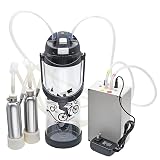 3L Cow Milking Machine Electric Pulsation Vacuum Pump CowView on Amazon
Morning milking starts with hay on the ground, a goat on the fence and a bucket that needs filling before the day warms up, and knowing the parts of a milking machine turns that chore from a puzzle into a routine. A milking machine is a set of linked parts: a pulsator that opens and closes the flow, teat cups that sit on the teats, a milk claw that gathers the milk, hoses that carry milk and air, a vacuum regulator that holds the suction steady, and a pail that holds the milk. This guide walks through each part, what it does, and the sizes and speeds the listings state, so a buyer can match parts to the machine already in the barn.
Also worth comparing
 Jerliflyer Milking Machine LinerCheck price on Amazon
 Cow Milking Machine PortableCheck price on Amazon
 7L Goat Milking MachineCheck price on Amazon
- 3L Goat Milking MachineCheck price on Amazon
 Electric Goat Milking MachineCheck price on Amazon
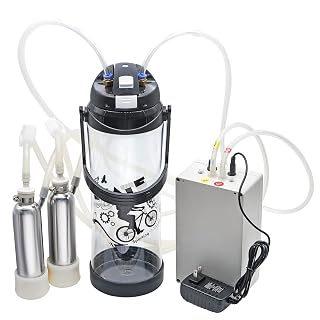 3L Cow Milking Machine Electric Pulsation Vacuum Pump CowCheck price on Amazon
GoatGearLab earns a commission when you buy through links on this page, at no extra cost to you. As an Amazon Associate I earn from qualifying purchases. Affiliate disclosure.
Parts of a milking machine: the short answer
Start with the pulsator, the teat cups and the milk claw, since those parts touch the milk path and set the rhythm of milking. Then look at the hoses, the vacuum regulator and the pail, since those parts carry the milk, hold the suction steady and hold the finished milk. Match every new part to the fittings already on the machine, and read the listing again to compare the size lines. For the wider choice between machines, our goat vs cow milking machine guide lays out how goat and cow machines differ.
The parts at a glance
| Part | What it does | Stated figure |
|---|---|---|
| Pulsator | Opens and closes the vacuum in a steady rhythm | 50 to 180 ppm, 60:40 ratio |
| Teat cups and cluster | Fit over the teats and carry milk to the claw | 4 silicone cups, 240 cc claw |
| Milk hose | Carries milk from the cluster to the pail | 1.2 m long, 5 x 8 mm, pack of 3 |
| Vacuum regulator | Holds suction steady with a screw adjustment | 30 to 60 kpa, 50 to 3000 l/min |
| Pulse controller | Controls the pulse with a cup shell and liner | 7.9 x 2.2 x 2.2 in |
Every spec repeats the brand’s rating from its listing (collected on 10 November 2026).
Pulsator
The pulsator sets the pace of milking by switching the vacuum on and off in a repeating cycle. The CYSFETENA pulsator (on Amazon) lists 2 exits, a speed range of 50 to 180 ppm and a pulsation ratio of 60:40, with the speed set by screws on the back of the unit. The listing states a stainless steel and plastic build, and says the unit fits a range of milking machines. A pulsator with 2 exits can serve a cluster with cups on each side, and the speed range lets the pace suit cows, goats and sheep, with a higher speed for cows that give a lot of milk and a lower speed for animals with a slower milk flow.
Teat cups and the milk claw
Teat cups sit on the teats and carry milk from the animal to the claw, and the claw gathers the milk from the cups and sends it on toward the pail. The Kozlira cluster (on Amazon) lists 4 silicone teat cups, a 240 cc milk claw with a clear lid, stainless steel construction and a hook for hanging the cluster between sessions. The clear lid lets the milker watch the milk flow during a session. The Threlaco set lists 2 stainless steel teat cups with tubes, a separate tube of 1.5 m, tubes with an 8 mm outer diameter and a 5 mm inner diameter, and 2 clamps that stop milk from flowing back after milking. Stainless steel cups hold their shape through daily use, and silicone cups sit soft against the teat.
Hoses
Hoses carry milk, air and vacuum between the parts, and the size of a hose decides which fittings it will join. The Hantop milk hose (on Amazon) lists a length of 1.2 m, a diameter of 5 x 8 mm, silicone rubber construction and a transparent wall, and it ships as a pack of 3. A transparent wall lets the milker see milk moving through the hose. The Threlaco tubes list an 8 mm outer diameter and a 5 mm inner diameter, with a separate tube of 1.5 m in the set. Measure the fitting before ordering a hose, since a hose that is too wide or too narrow will not seal, and check the length against the distance from the cluster to the pail.
How the parts work together
Milking starts at the vacuum pump, which pulls air through the system and creates the suction that moves milk. The pulsator switches that suction on and off in a steady cycle, the teat cups pass the milk to the claw, and the hoses carry the milk to the pail. The vacuum regulator sits in the line and holds the suction in its stated range, so a change in the herd or the hose layout does not swing the suction wide. When every part matches the fittings around it, milk moves in a smooth flow from teat to pail with no leaks at the joints. If machine milking is new to the barn, our can you milk a goat guide covers the basics for beginners.
The Phefop regulator lists a vacuum adjustment span of 30 to 60 kpa and an air flow capacity from 50 to 3000 l/min, with a rotary screw for tuning the pressure on the farm. The listing states a plastic body and smooth round ports that join to matched pipeline parts. A regulator with a wide span suits a small milking unit that serves cattle, sheep, horses and donkeys, since the same valve can hold suction across varied setups. Set the screw, watch the suction hold, and leave it alone while the herd milks.
Pulse controllers and cup shells
The Estink pulse controller (on Amazon) pairs a stainless steel cup shell with an inflation liner, and the listing gives its size as 7.9 x 2.2 x 2.2 in. The shell guards the liner, and the liner sits inside the shell where it meets the teat. A simple hose connection joins the controller to the machine, and the listing says the unit needs little upkeep beyond that connection. The liner sits inside the shell; our best milking machine liners for goats roundup compares liner listings for goats. When a cup shell shows wear, check the size line in the listing against the shell already on the machine before ordering a spare.
Read the listing with care
Listings for milking parts often state the same figure in different places, and the figures do not always agree. The Phefop regulator lists a size of about 11.5 x 7 cm in its size line, while its dimension line gives the same body as 4.72 x 3.15 inches, so measure the space on the machine and allow for the larger figure. The Hantop hose lists 1.2 m in the title and 47.244 inches in the dimension line, which agree. When lines disagree, trust the title and the bullets over the spec table, and measure the fitting on the machine before ordering.
What this guide does not cover
This guide covers milking machine hardware only. It does not cover how much milk a goat gives, milk handling after the pail, or any health question. Ask a veterinarian or local extension office about rations and goat health.
FAQs from goat keepers
What are the parts of a milking machine?
The parts of a milking machine are the pulsator, the teat cups, the milk claw, the hoses, the vacuum regulator and the pail. The pulsator sets the rhythm, the cups and claw gather the milk, the hoses carry it, the regulator holds the suction steady, and the pail holds the finished milk.
What does a pulsator do on a milking machine?
A pulsator switches the vacuum on and off in a steady cycle so milk flows in pulses rather than in a constant pull. The CYSFETENA pulsator lists a speed range of 50 to 180 ppm, a ratio of 60:40 and 2 exits, with the speed set by screws on the back of the unit.
What size milk hose fits a milking machine?
It depends on the fittings on the machine. The Hantop milk hose lists a length of 1.2 m and a diameter of 5 x 8 mm, and it ships as a pack of 3, while the Threlaco tubes list an 8 mm outer diameter, a 5 mm inner diameter and a separate tube of 1.5 m. Measure the fitting before ordering, since the hose must match the fitting it joins.
What does a milk claw do?
A milk claw gathers milk from the teat cups and sends it on toward the pail through the milk hose. The Kozlira cluster lists a 240 cc milk claw with a clear lid, 4 silicone teat cups and a hook for hanging the cluster, so the milker can watch the milk flow during a session.
How do you set the vacuum on a milking machine?
Use the vacuum regulator, which tunes suction with a rotary screw. The Phefop regulator lists a vacuum span of 30 to 60 kpa and an air flow capacity from 50 to 3000 l/min, so set the screw, watch the suction hold, and leave it alone while the herd milks.
More from the barn
See every milking guide and all Goat Keeping Guides guides.
More picks: best milking machine liners for goats, goat vs cow milking machine, best goat milking stand for pasture and small vs large milk pail.