

On this page
Top picks at a glance
As an Amazon Associate I earn from qualifying purchases.
- 1
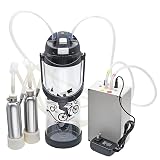 3L Cow Milking Machine Electric Pulsation Vacuum Pump CowView on Amazon
- 2
 Cow Milking Machine PortableView on Amazon
- 3
 3L Goat Milking MachineView on Amazon
- 4
 Electric Goat Milking MachineView on Amazon
- 5
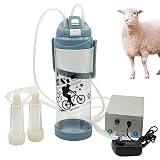 3L Goat Milking Machine Electric Pulsation Vacuum Pump GoatView on Amazon
When the pump starts up each morning, the difference between oil and oil-free is the difference between checking a dipstick and never thinking about it. The oil vs oil free milking machine question comes down to this: oil-lubricated pumps use an oil bath to seal and cool the moving parts, while oil-free pumps run dry with no oil to check or change. We compared milking machine listings to explain what each pump type does and which setups each suits. Every number below comes from a product listing; where a listing gives no figure, we say so.
Also worth comparing
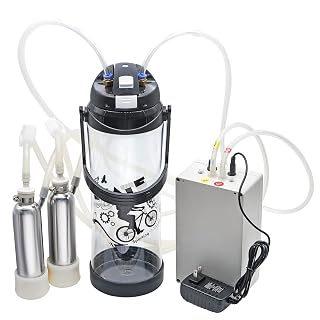 3L Cow Milking Machine Electric Pulsation Vacuum Pump CowCheck price on Amazon
 Cow Milking Machine PortableCheck price on Amazon
 3L Goat Milking MachineCheck price on Amazon
 Electric Goat Milking MachineCheck price on Amazon
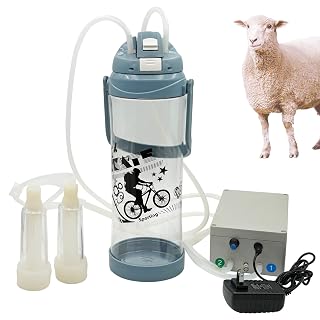 3L Goat Milking Machine Electric Pulsation Vacuum Pump GoatCheck price on Amazon
GoatGearLab earns a commission when you buy through links on this page, at no extra cost to you. As an Amazon Associate I earn from qualifying purchases. Affiliate disclosure.
Oil vs oil free milking machine: the short answer
Choose oil-lubricated when the pump runs long hours every day: the oil bath suits continuous duty in a fixed parlor. Choose oil-free when you want grab-and-go simplicity: no oil to check, change or spill, which fits portable battery and plug-in units. Our dry vs oil lubricated vacuum pump guide covers the same choice from the pump side.
What an oil-lubricated pump does
An oil-lubricated pump circulates oil through the pump head: the oil seals the vanes, carries heat away and quiets the mechanism. That makes it the traditional pick for pumps that run hours a day in one place. The listings here do not name the pump type: they describe “pulsating vacuum pump” units by bucket and pulsation rate, from the 3-liter MUDUOBAN at 5.3 pounds to the 25-liter GarveeTech cart unit at 64.4 pounds with a 550W motor. Oil-lubricated pumps need an oil schedule: check the level and change the oil on the maker’s interval, and keep spare oil on the shelf.
What an oil-free pump does
An oil-free pump runs without an oil bath: coated or self-lubricating vanes do the sealing, so there is no oil to check, change or spill into the milk line. That suits portable units that get carried, tipped and stored between milkings: the 10.12-pound Hantop 12-liter on its rechargeable battery, the 4.4-pound Hantop 3-liter plug-in, the 8.23-pound Zlshmoee 7-liter with its 5200mAh battery. The tradeoff is duty: dry pumps are built for milking sessions, not all-day continuous running, so match the pump to your milking hours.
Oil vs oil-free at a glance
| Type | How it works | Suits | Watch for |
|---|---|---|---|
| Oil-lubricated | Oil bath seals and cools the pump | Long daily hours, fixed parlor | Oil checks and changes on a schedule |
| Oil-free | Dry vanes, no oil in the pump | Portable units, milking sessions | Built for sessions, not continuous duty |
Which should you buy?
Match the pump to the duty. Twice-daily milking in a fixed parlor points to oil-lubricated: it is built for that life, with an oil schedule you can plan. A few goats milked at the stand points to oil-free: grab the 4.4-pound Hantop plug-in or the battery Zlshmoee and go. If the listing does not name the pump type, ask the seller before you buy: none of these listings states it.
See the best goat milking machines roundup for scored picks, and the goat milking machines category for the full range.
Read the listing twice
Milking machine listings hide as much as they tell:
- GarveeTech: the title says 15000 RPM while the bullets say 1680 RPM.
- Hantop 12L: the spec table marks battery powered with an x, but the bullets describe a built-in rechargeable battery.
- Pump type: none of these listings states whether its pump is oil-lubricated or oil-free; confirm with the seller before you decide.
Trust the title and bullets over the spec table, and pin down the pump type: it decides your maintenance routine.
What this guide does not cover
This guide covers pump types only. It does not cover milking technique, udder health or oil brands, which depend on your animals and the maker’s manual. Your veterinarian and the pump manual cover those.
FAQs from goat keepers
Do oil-free milking machines need any maintenance?
They need no oil changes, but they still need the usual care: wash the bucket and cups after milking, and replace worn liners. The KINGTAIXIN listing sells 4-pack replacement liners in food-grade silicone for that job.
Which pump type lasts longer?
The listings give no lifespan figures for either type. In general, oil-lubricated pumps suit long continuous duty while oil-free pumps suit milking sessions; buy the type that matches your hours.
Can I use an oil-lubricated pump as a portable?
The listings do not name pump types, so portability comes down to weight and power: battery units like the 10-liter Enkreefi carry to pasture, while the 64.4-pound GarveeTech cart unit stays in the barn.
How do I know which pump type a listing has?
Ask the seller. These listings describe the pump as a “pulsating vacuum pump” without stating oil or oil-free, and the spec tables do not list it either.
More from the barn
See every goat milking machine guide and all milking guides.
More picks: best goat milking machines, dry vs oil vacuum pumps and milking guides.