

On this page
Top picks at a glance
As an Amazon Associate I earn from qualifying purchases.
- 1
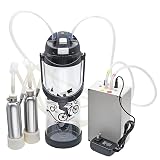 3L Cow Milking Machine Electric Pulsation Vacuum Pump CowView on Amazon
- 2
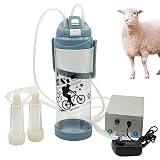 3L Goat Milking Machine Electric Pulsation Vacuum Pump GoatView on Amazon
- 3
 5L Goat Milking Machine Adjustable Pulsation Electric MilkerView on Amazon
- 4
 7L Goat Milking MachineView on Amazon
- 53L Goat Milking MachineView on Amazon
- 6
 Electric Goat Milking MachineView on Amazon
Piston vs vacuum pump milking machine comes down to how the vacuum is made: a piston pump moves a plunger back and forth in a cylinder, while a vacuum pump, usually rotary vane, spins to pull air continuously. Piston machines are simple, sturdy and easy to service with replacement plungers; rotary vacuum pumps run smoother and quieter for fixed setups. The listings here include both: JARYANNIX lists 110V piston milking machines with 25L buckets at 1440 RPM, plus an oil-free vacuum pump model at 110V and 25L. Choose piston for simple portable milking; choose vacuum pump for smooth continuous operation.
Also worth comparing
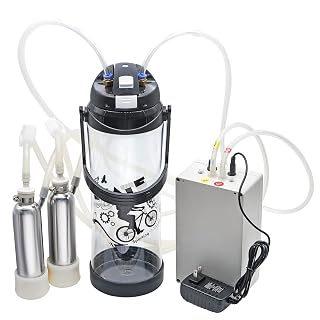 3L Cow Milking Machine Electric Pulsation Vacuum Pump CowCheck price on Amazon
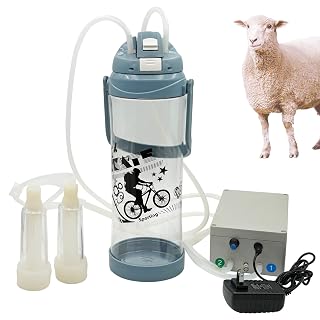 3L Goat Milking Machine Electric Pulsation Vacuum Pump GoatCheck price on Amazon
 5L Goat Milking Machine Adjustable Pulsation Electric MilkerCheck price on Amazon
 7L Goat Milking MachineCheck price on Amazon
- 3L Goat Milking MachineCheck price on Amazon
 Electric Goat Milking MachineCheck price on Amazon
GoatGearLab earns a commission when you buy through links on this page, at no extra cost to you. As an Amazon Associate I earn from qualifying purchases. Affiliate disclosure.
What a piston milking machine is
A piston milking machine uses a reciprocating plunger in a cylinder to create the pulsating vacuum that milks. The JARYANNIX listings state 110V piston milking machines with 25L buckets and a 1440 RPM motor. The wearing part is the plunger itself: the Shanrya and Fdit listings sell faux leather replacement plungers, with the Fdit stating a 14 x 3 cm plunger, made to fit piston-style machines. That parts availability is the piston design’s practical advantage: when the seal wears, you replace an inexpensive plunger rather than the pump.
What a vacuum pump milking machine is
A vacuum pump milking machine uses a rotary vane or similar pump to pull continuous vacuum, with a pulsator creating the milking rhythm. The JARYANNIX oil-free vacuum pump listing states a 110V electric milking machine with a 25L bucket, and the VEVOR listing states a 6.6 Gal, 25L stainless machine at 750W. Rotary vacuum pumps run smoother and quieter than reciprocating pistons, which suits a fixed milking area. They need their oil checked where they use oil; the JARYANNIX oil-free model skips that chore.
Noise and smoothness
The piston’s back-and-forth motion is inherently choppier: you hear and feel each stroke. A rotary vacuum pump spins continuously, so it hums rather than thumps. In a parlor next to the house, the smoother vacuum pump is the calmer choice. In the pasture, where the machine runs for one animal at a time, the piston’s thump matters less than its simplicity and the easy plunger swap. Animals also notice: a steady hum is easier for a nervous first-freshener to accept than a rhythmic thump, so factor the herd’s temperament into the choice.
Maintenance: plungers against vanes
Piston maintenance centers on the plunger: check the leather or faux leather seal, replace it when vacuum weakens, and keep spares like the Shanrya and Fdit plungers on hand. Vacuum pump maintenance centers on oil and vanes: the Dairyland listing sells vacuum pump oil for piston and rotary pumps, and vanes wear over time. The oil-free JARYANNIX model removes the oil chore from the vacuum pump side. Either way, budget a small parts box from the start.
Which pump for which herd
For one or two goats milked in the pasture, a piston machine is the practical pick: the 5L Yunnergo and Enkreefi listings show how small these units run, the plunger is a cheap wearing part, and the thump is a non-issue outdoors. For a fixed parlor with several animals milked in sequence, a vacuum pump earns its keep: smoother running, less noise in an enclosed space, and continuous vacuum that does not pulse the whole rig. The 25L JARYANNIX and VEVOR listings show the scale where vacuum pumps make sense.
For cows, lean vacuum pump. Larger animals mean longer sessions and bigger buckets, and the smoother pump is kinder to both the milker’s ears and the machine’s mounts over time. The VEVOR 6.6 Gal 25L stainless machine at 750W is the listing example of that class. For goats only, either design works, so let noise tolerance and parts availability decide.
Piston vs vacuum pump milking machine: sizing in the listings
Size the bucket to the job. The listings state 5L goat machines from Yunnergo and Enkreefi, a 7L Proshine 2-in-1, and 25L buckets on the JARYANNIX piston and vacuum pump models and the VEVOR 6.6 Gal machine. A 5L bucket suits a couple of goats; a 25L bucket suits a string of animals or cows. Bucket size is independent of pump type, so pick capacity for the herd and pump design for noise and maintenance.
What this guide does not cover
This guide covers pump designs only, not pulsator settings or milk handling. For drive types, our direct drive vs belt drive milking machine guide compares them, and our electric vs battery goat milking machine guide compares power options.
FAQs from goat keepers
Which lasts longer, piston or vacuum pump?
Both last with maintenance. Piston pumps wear plungers, which the Shanrya and Fdit listings sell as replacements; vacuum pumps wear vanes and need oil checks unless oil-free like one JARYANNIX model.
Are piston milking machines louder?
Generally yes. The reciprocating plunger thumps each stroke, while a rotary vacuum pump hums continuously. For a parlor near the house, the vacuum pump is calmer.
What size bucket do I need?
The listings state 5L for small goat jobs, 7L mid-size, and 25L for larger herds or cows. Size for the herd, not the pump type, and leave headroom for the days when everyone lets down well.
Do I need oil for a vacuum pump?
Most rotary vacuum pumps do: the Dairyland listing sells vacuum pump oil for piston and rotary pumps. The JARYANNIX oil-free model is the exception in these listings, removing that chore.
Can I service a piston pump myself?
The plunger swap is the classic owner repair: the Fdit listing states a 14 x 3 cm replacement plunger for piston-style machines. Follow the maker’s instructions for your model.
More from the barn
See every milking machine guide and all goat milking guides.
More picks: best goat milking machine, direct drive vs belt drive milking machine and hand milking vs machine milking.