

On this page
Top picks at a glance
As an Amazon Associate I earn from qualifying purchases.
- 1
 Premium Stainless Steel Pail9.7/10View on Amazon
- 2
 7.4 Gallon Stainless Steel Milk Can 28L Milking Bucket Jug9.5/10View on Amazon
- 3
 Lindy's 13-Quart Stainless Steel Bucket9.7/10View on Amazon
- 4
 ProSelect Stainless Steel Flat Sided PailsView on Amazon
- 5
 ProSelect Heavy Duty Stainless Steel PailsView on Amazon
- 6
 Rural365 Metal JugView on Amazon
- 7
 14 Liter 3.7 Gallon Stainless Steel Milk Can Milk Bucket WineView on Amazon
- 8
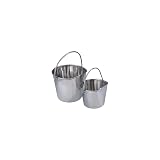 Pro Select Stainless Steel Pet PailView on Amazon
- 9
 KSENDALO 64Oz/8Cup Stainless Steel PitcherView on Amazon
In the stainless vs plastic milk pail debate, stainless steel wins for anything that touches milk: it does not absorb odors or chemicals, it sanitizes in the dishwasher, and it lasts for years without rusting, chipping or cracking. Plastic is lighter and lower-priced upfront, but it absorbs smells and chemicals over time, which is the wrong trade for milk. This guide walks through the choice step by step, using concrete figures from stainless pail listings.
Also worth comparing
 ProSelect Stainless Steel Flat Sided PailsCheck price on Amazon
 ProSelect Heavy Duty Stainless Steel PailsCheck price on Amazon
 Rural365 Metal JugCheck price on Amazon
 14 Liter 3.7 Gallon Stainless Steel Milk Can Milk Bucket WineCheck price on Amazon
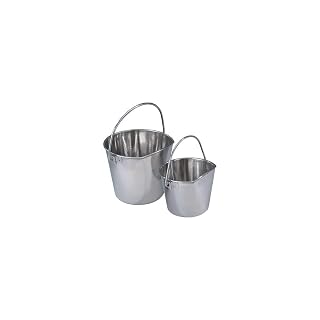 Pro Select Stainless Steel Pet PailCheck price on Amazon
 KSENDALO 64Oz/8Cup Stainless Steel PitcherCheck price on Amazon
GoatGearLab earns a commission when you buy through links on this page, at no extra cost to you. As an Amazon Associate I earn from qualifying purchases. Affiliate disclosure.
Stainless vs plastic milk pail: the short answer
Pick stainless for anything that touches milk. The Lindy’s 6-quart pail states it plainly: food safe, no plastics or unsafe chemicals, and it does not absorb chemicals like plastic buckets do. Pick plastic only for water, feed or chores where milk never goes. Once the material is settled, match the capacity to the herd and check the listing for dishwasher safety and warranty.
If you want the other metal debate, read our aluminum vs stainless milk pail comparison next.
Stainless and plastic compared
| Material | Example listing | Stated capacity | Dishwasher safe |
|---|---|---|---|
| Stainless steel | Lindy’s 6-Quart Stainless Steel Bucket | 6 quarts | Yes |
| Stainless steel | ProSelect 2-Quart Flat Sided Pail | 2 quarts | Not stated |
| Stainless steel | Grip 4-Gallon Stainless Steel Bucket | 4 gallons | Not stated |
| Plastic | No plastic pail in the reference listings | Not stated | Not stated |
Why stainless wins for milk
Milk picks up whatever the pail gives off, so the pail’s material is a food-safety decision. The Lindy’s listing states its pail is food safe, contains no plastics or unsafe chemicals, and does not absorb chemicals the way plastic buckets do. It is dishwasher safe and, per the listing, lasts many years without leaking, with a 1-year manufacturer warranty.
Durability is the other half. The ProSelect listings state their pails will not crack, rust or break, and two of them carry a lifetime warranty. The Grip 4-gallon bucket is described as premium grade stainless that resists corrosion, completely seamless, and food grade. Stainless also handles boiling water and sanitizers without warping, which matters when the pail needs sterilizing between milkings.
Where plastic still makes sense
Plastic earns its place away from milk: hauling water, carrying feed, or as a low-cost chore bucket that gets replaced yearly. It is lighter than steel and costs less upfront, and a cracked plastic bucket is no tragedy. But for the milking pail itself, the odor and chemical absorption that the Lindy’s listing warns about is reason enough to choose steel. Keep one plastic bucket for the barn chores and one stainless pail for the milk.
Reading capacity against your herd
Match the pail to the milking, not the goat. The Advance Pet 1-quart pail at 0.4 lbs suits a single goat or a first freshener, while the ProSelect 2-quart at 8.64 ounces covers a typical hand-milking session. The Lindy’s 6-quart and ProSelect 6-quart pails, the latter at 1.2 pounds, hold a multi-goat milking without swapping pails mid-session.
For a herd, think bigger: the Grip 4-gallon bucket at 0.95 kg works as a collection vessel, and the Rural365 4-liter jug (1 gallon) with its slide-on lid suits transporting milk to the house. The GOVNPJ 3.5-liter can with its sealed clasp lid is built for storage and transport rather than milking into. If you are deciding between hand and machine milking too, see our hand milking vs machine milking guide.
Lids, handles and pouring
An open pail is fine at the milking stand, but milk needs a lid the moment it leaves. The GOVNPJ can has a sealed lid with clasps and an integrated carry handle at 6.7 by 9.5 inches. The Rural365 jug has a 5.25-inch slide-on lid and a large jug handle, at 1.7 pounds with a 1-year warranty.
For the milking itself, handles matter more than lids. The ProSelect pails have contoured snag-free handles, and the Grip buckets have integrated one-piece handle attachments. Flat-sided pails like the ProSelect 2-quart hang against a fence or stanchion without tipping, which keeps the pail out from underfoot.
What to check on the listing
Read the listing twice. Check that it claims food grade or food safe steel, not just stainless looks. Check dishwasher safety: the Lindy’s and Advance Pet listings state it, others do not. Check the warranty: ProSelect states lifetime on two pails, Lindy’s states 1 year, and some listings say only to contact customer support. And watch for title-versus-table contradictions on capacity before you order.
What this guide does not cover
This guide covers pail hardware only. It does not cover milk handling, sanitation routines or any animal health question. Ask your veterinarian or local extension office about milk safety and goat health.
FAQs from goat keepers
Is stainless steel better than plastic for a milk pail?
Yes. Stainless does not absorb odors or chemicals, it is dishwasher safe, and listings like Lindy’s state it lasts many years. Plastic absorbs smells over time, so keep plastic for water and chores.
What size milk pail do I need?
The reference listings run from a 1-quart pail at 0.4 lbs to a 6-quart pail, with 4-gallon buckets for herd collection. A 2-quart pail suits a typical hand-milking session; a 6-quart pail covers several goats.
Are stainless milk pails dishwasher safe?
Some state it. The Lindy’s 6-quart and the Advance Pet 1-quart listings both state dishwasher safe. Others do not mention it, so check before you buy.
Do milk pails come with lids?
Open pails do not. The GOVNPJ 3.5-liter can has a sealed clasp lid and the Rural365 4-liter jug has a slide-on lid, both made for storage and transport rather than milking into.
More from the barn
See every milk pails and strainers guide and all milking guides.
More picks: aluminum vs stainless milk pail and hand milking vs machine milking.