

On this page
Top picks at a glance
As an Amazon Associate I earn from qualifying purchases.
- 1
 Olicity Grade 100 unbleached cheesecloth9.6/10View on Amazon
- 2
 Utopia Kitchen White Flour Sack Towels [12 PackView on Amazon
- 3
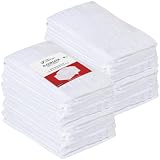 Utopia Kitchen White Flour Sack Towels [24 PackView on Amazon
- 4
 Utopia Kitchen White Flour Sack Towels [6 PackView on Amazon
- 5
 Utopia Kitchen Light Grey Flour Sack Towels [6 Pack-28 x 28View on Amazon
- 6
 Simpli-Magic Flour Sack Kitchen Towels 24"x24"View on Amazon
- 7
 Organic Cotton Flour Sack Kitchen TowelsView on Amazon
For straining milk or cheese at home, flour sack towel vs cheesecloth comes down to reuse against drainage: a flour sack towel is a hemmed, washable cotton cloth you use again and again, while cheesecloth is a loose, open weave that drains fast and is usually used once and thrown away. If you strain often, start with towels; if you want the quickest drain for a single batch, cheesecloth still has a place.
Also worth comparing
 Utopia Kitchen White Flour Sack Towels [12 PackCheck price on Amazon
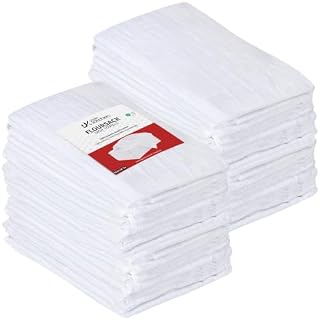 Utopia Kitchen White Flour Sack Towels [24 PackCheck price on Amazon
 Utopia Kitchen White Flour Sack Towels [6 PackCheck price on Amazon
 Utopia Kitchen Light Grey Flour Sack Towels [6 Pack-28 x 28Check price on Amazon
 Simpli-Magic Flour Sack Kitchen Towels 24"x24"Check price on Amazon
 Organic Cotton Flour Sack Kitchen TowelsCheck price on Amazon
GoatGearLab earns a commission when you buy through links on this page, at no extra cost to you. As an Amazon Associate I earn from qualifying purchases. Affiliate disclosure.
Flour sack towel vs cheesecloth: the short answer
A flour sack towel is a plain cotton cloth with hemmed edges, made to be washed and used again. Its weave is tighter than cheesecloth, so it holds back fine curds and sediment while still letting liquid through, and the hemmed edges keep it from fraying in the wash. The towels in this guide all describe themselves as lint-free, which matters when the cloth touches milk or cheese, since loose lint would end up in the food.
Cheesecloth is the opposite trade. Its open weave drains very fast, which suits a single batch of cheese or a quick strain, but the cloth itself is thin and loose, so it tears more easily and is often thrown away after one use. That makes cheesecloth handy for an occasional strain and wasteful for a daily milking routine, where a washable towel pays for itself in reuse. For a homestead that strains milk every day, towels are the practical default, with cheesecloth kept for the odd job where speed matters more than reuse.
The towels in this guide
In order, from the strongest straining pick to the weakest, the four towels compare like this. The Utopia Kitchen towel leads: it measures 28 x 28 inches in a 12 pack, is made from 100% pure ring spun cotton knitted in a diagonal fashion, and names cheese strainers among its uses. Its edges are professionally hemmed, the fabric is described as lint-free, and the listing states it is machine washable, maintains excellent quality even after multiple washes, and resists shrinking. For straining milk or cheese, size, a named straining use and washability together make it the strongest pick here.
Next comes the Organic Cotton Mart towel at 27 x 27 inches in a 10 pack, made with certified organic cotton and described as 100% unbleached organic cotton with no harmful chemicals or dyes. It is perfectly hemmed on all four sides, machine-washable, and the listing says it can be washed and reused thousands of times. It is a close second to the Utopia towel, trading one inch of size and two towels in the pack for organic, unbleached cotton.
Third is the Simpli-Magic towel, listed at 24 x 24 inches in a 12 pack and made from 100% pure cotton, also knitted in a diagonal fashion with professionally hemmed edges. It names cheese straining among its uses, is described as lint-free, and is machine washable while resisting shrinking and minimizing lint. Its smaller size puts it behind the two larger towels for covering a bowl or lining a strainer, though the 12 pack matches the Utopia pack count.
Last is the Ninsula towel at 14 x 18.8 inches in a 4 pack, made from unbleached natural cotton and described as thick, with a rough texture that prevents lint from falling out. Its stated uses are baking and proofing: it provides enough space to cover the bread bowl and make multiple loaves at once. As a straining cloth it is the weakest pick here, because its small size and proofing focus suit covering dough far better than lining a strainer for a batch of milk or cheese.
Weave, size and reuse
Weave decides what a cloth holds back. The flour sack towels here are all cotton cloths with a diagonal knit and hemmed edges, a tighter and sturdier build than the open weave of cheesecloth. That tighter weave holds fine particles better, which is what you want when straining milk, while cheesecloth lets liquid through faster and holds less back. If a batch comes out cloudy through cheesecloth, a flour sack towel is the next cloth to try, since its weave is the finer of the two.
Size decides what a towel can cover. The Utopia towel at 28 x 28 inches and the Organic Cotton Mart towel at 27 x 27 inches both cover a large bowl or line a colander with cloth to spare, while the Simpli-Magic towel at 24 x 24 inches covers a medium bowl and the Ninsula towel at 14 x 18.8 inches covers a bread bowl for proofing. Pack count decides how often you wash: a 12 pack from Utopia or Simpli-Magic and a 10 pack from Organic Cotton Mart let you rotate towels through the wash, while the Ninsula 4 pack suits a baking shelf rather than a daily straining routine.
Reuse is where towels win outright. The Utopia, Simpli-Magic and Organic Cotton Mart towels all state machine-washable fabric that maintains quality after multiple washes, and the Organic Cotton Mart listing says its towels can be washed and reused thousands of times. Cheesecloth, by contrast, is usually discarded after straining, so a household that strains daily would work through roll after roll of it. A towel costs more attention at wash time and far less waste over a season of milking.
Read the listing twice
One listing here contradicts itself, and the number that conflicts is the one you need for planning. The Simpli-Magic title and bullets give 24 x 24 inches, while its spec table lists 28.0 x 28.0 inches. Trust the title and bullets over the spec table, as the listing’s own description repeats the 24 x 24 inch size, so plan on the smaller figure and treat the larger one as a spec table error. Measure your bowl or strainer before ordering, and allow for the towel to shrink slightly in the wash even where a listing says it resists shrinking.
FAQs from goat keepers
Can a flour sack towel replace cheesecloth for straining?
For repeated straining, yes. The Utopia and Simpli-Magic listings both name cheese straining as a use, and their hemmed, washable cotton holds up to repeated washing. Cheesecloth still drains faster through its open weave, so it keeps a place for a single fast batch.
Which towel is the largest?
The Utopia towel at 28 x 28 inches, followed by the Organic Cotton Mart towel at 27 x 27 inches. The Simpli-Magic towel lists 24 x 24 inches in its title, and the Ninsula towel is 14 x 18.8 inches.
Are these towels machine washable?
The Utopia, Simpli-Magic and Organic Cotton Mart towels all state machine-washable fabric that maintains quality after multiple washes. Washing before first use is also recommended in the Utopia listing, to set the color, improve absorbency and reduce lint.
What towel suits covering a bread bowl?
The Ninsula towel at 14 x 18.8 inches states enough space to cover the bread bowl and make multiple loaves at once. For a larger bowl, the bigger flour sack towels cover more, with the Utopia towel the largest of the four.
More from the barn
See every milk pail and strainer guide and all milking guides.
More picks: cheese making kits, milk jars and bottles, milking stands and milking machines.