

On this page
Top picks at a glance
As an Amazon Associate I earn from qualifying purchases.
- 1
 Farm Innovators 500W Submersible Stock Tank De-Icer9.7/10View on Amazon
- 2
 Ribgwo 500W Outdoor Cast Aluminum Stock Tank De-Icer with9.6/10View on Amazon
- 3
 K&H 1000W Stock Tank Deicer9.7/10View on Amazon
- 4K&H Stock Tank DeicerView on Amazon
- 5
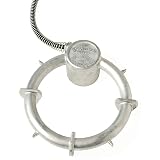 Farm Innovators Submergible Tank De-IcerView on Amazon
- 6
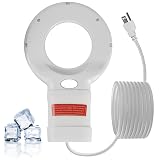 500W Trough Heater & Stock Tank De-IcerView on Amazon
- 7
 500W Stock Tank Water Trough Heater De-icer for 41 to 100GalView on Amazon
- 8
 500W Utility De-IcerView on Amazon
- 9
 500W Pond Heater Submergible De-icer Cast Aluminum ChickenView on Amazon
A hard freeze rolls in overnight, the stock tank skins over with ice by morning, and the goats stand around waiting for water that is no longer drinkable. That is the job behind stock tank heater vs stock tank de-icer, and the short answer is that they are the same thing: a stock tank de-icer is a type of stock tank heater, a thermostatically controlled submersible element that keeps an opening in the ice so animals can drink. The word heater names the device, the word de-icer names the job, and the listings sell both names side by side. What actually differs is wattage, thermostatic control, placement, cage protection and which tanks the listing approves.
Also worth comparing
 K&H Stock Tank DeicerCheck price on Amazon
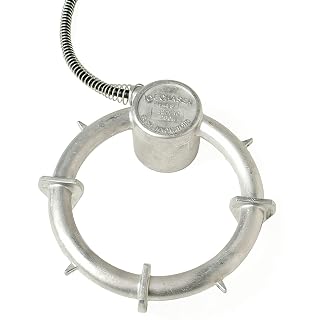 Farm Innovators Submergible Tank De-IcerCheck price on Amazon
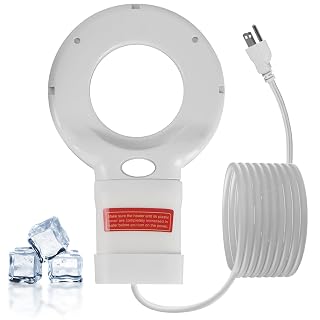 500W Trough Heater & Stock Tank De-IcerCheck price on Amazon
 500W Stock Tank Water Trough Heater De-icer for 41 to 100GalCheck price on Amazon
 500W Utility De-IcerCheck price on Amazon
 500W Pond Heater Submergible De-icer Cast Aluminum ChickenCheck price on Amazon
GoatGearLab earns a commission when you buy through links on this page, at no extra cost to you. As an Amazon Associate I earn from qualifying purchases. Affiliate disclosure.
Stock tank heater vs stock tank de-icer: the short answer
Buy for the features, not the name on the box. A unit labeled a heater and one labeled a de-icer can share the same thermostat, the same cage and the same job; the K&H listings call their units both names in one title. What separates good listings from vague ones is stated wattage, a thermostatic control that turns the element on and off as needed, a protective cage so animals and tank walls are safe, and a clear statement of which tank materials it suits. If you would rather go straight to the products, our best stock tank de-icer for winter roundup scores five of them on these points.
What the listings sell, compared
| Listing | Stated wattage | Placement | Thermostat | Cage |
|---|---|---|---|---|
| K&H 1500W | 1500 watts | Floating or submersible | Automatic on/off | Full protective cage, cord clip |
| K&H 250W | 250 watts | Floating or submersible | Automatic on/off | Full protective cage, cord clip |
| Farm Innovators 4-pack | 1500 watts | Rests at the bottom | Self regulating | Protective cage, anti-chew cord protector |
| COICOTTC 2-pack | 500 watts | Submersible | On below 35°F, off at 77°F | Not stated |
The four listings we compared rank by stated detail and safety features. The K&H 1500W leads: safety listed beyond UL requirements, a full protective cage with a cord clip, floating or submersible use, and a zone/wattage chart for sizing. The K&H 250W matches those features at lower wattage for smaller tanks or milder freezes. The Farm Innovators 1500W 4-pack adds an anti-chew cord protector and rests at the tank bottom, including in plastic tanks, sold as four units. The COICOTTC 2-pack 500W suits containers up to 25 gallons with stated on/off temperatures and a 9.8-foot cold-resistant cord, but names no cage or safety listing.
Thermostat control and energy use
Every serious listing here names a thermostat. The Farm Innovators activates only when water nears freezing. The K&H units turn on and off as needed, and K&H points buyers to a zone/wattage chart to match wattage to tank size and climate zone. The COICOTTC states its set points outright: on below 35°F, off at 77°F. A stated thermostat matters more than raw wattage, because a higher-wattage element that runs only when needed can cost less to run than a weaker one that never switches off. Treat a listing with no thermostat detail as incomplete information, not as a bargain.
Wattage and what it covers
Stated wattage here runs from 250 watts to 1500 watts. The K&H listings offer five wattage options, and the zone/wattage chart is the honest way to size one: a 250-watt unit suits a small tank in a mild zone, while 1500 watts covers larger tanks and harder freezes. The COICOTTC at 500 watts names containers up to 25 gallons, which puts it in the bucket and small-tank range rather than the big stock tank range. Do not size by wattage alone; the chart, the tank size and the local low temperatures decide together.
Floating, submersible or bottom-resting
Placement shapes how the ice opening forms and where the cord runs. The K&H units work floating or submersible, which lets you set the drinking opening where the animals reach it. The Farm Innovators rests at the tank bottom, including in plastic tanks, and its 14 by 14 by 6 inch body sits under the water column. The COICOTTC must be fully immersed, handle and all, or the unit can dry out. Floating units can drift, so the K&H cord clip and cage placement matter; bottom units stay put but the cord still needs to leave the tank without a chew risk.
Cages, cords and tank compatibility
A cage keeps the hot element off the tank wall and off curious mouths, and the listings that name one say so plainly. The Farm Innovators names a protective cage plus a heavy-duty anti-chew cord protector. The K&H listings include a full protective cage and a cord clip, and state the unit is safe for plastic, rubber and metal stock tanks with no extra parts required. The COICOTTC names an anti-rust coating and a 9.8-foot cold-resistant cord but no cage. For plastic tanks, read the listing’s tank-material statement twice: the K&H and Farm Innovators listings approve plastic, while a listing that never names tank materials has not promised it. K&H also warns that mineral build-up can trip the GFCI and stop the heater, so the element must stay clean and fully submerged on 110/120 volt current.
What this guide does not cover
This guide covers choosing between stock tank heaters and de-icers from listing facts; it does not cover wiring, electrical work or animal health questions. Run any new electrical equipment on a GFCI-protected circuit, keep cords where animals cannot chew them, and ask your veterinarian or local extension office about winter water and herd health.
FAQs from goat keepers
Is a stock tank de-icer the same as a stock tank heater?
Yes, in practice. A de-icer is a thermostatically controlled heater that keeps an ice-free opening; the listings use both names for the same device class.
Can a de-icer go in a plastic stock tank?
Some listings approve plastic explicitly: the K&H units list plastic, rubber and metal tanks, and the Farm Innovators states it rests safely at the bottom of plastic tanks.
What wattage does a stock tank de-icer need?
Listings here state 250, 500 and 1500 watts. K&H offers five wattage options and a zone/wattage chart to match wattage to tank size and climate zone.
Do de-icers need a protective cage?
A cage keeps the element off the tank wall and away from animals. The Farm Innovators and K&H listings include one; the COICOTTC listing names none.
Will a de-icer overheat the tank?
The K&H listing states its unit keeps water just above freezing and does not overheat the tank; thermostats switch the element off when the set point is reached.
More from the barn
See every heated water bucket guide and all feeding and water guides.
More picks: floating vs submersible tank deicer, heated vs unheated stock tank and water trough heater vs stock tank heater.