

On this page
Top picks at a glance
As an Amazon Associate I earn from qualifying purchases.
- 1
 FOREHOGAR Fence Post Driver with Handle 12LB9.7/10View on Amazon
- 2
 T-Post Puller Plate9.7/10View on Amazon
- 3
 PGD2875 Titan Gas Powered Post Driver Fence Post PounderView on Amazon
- 4
 Fence Post DriverView on Amazon
- 5
 SDS Max Shank T-Post Driver for T PostsView on Amazon
- 6
 2200W Electric T Post Driver with 2 SleevesView on Amazon
- 7
 T Post DriverView on Amazon
- 8
 PGD1032 Titan Gas Powered Post DriverView on Amazon
A T-post driver puts posts into the ground, and a T-post puller takes them back out, so t post driver vs t post puller is not a contest between rivals but a question of which end of the job you are doing. A driver pounds the post down with repeated blows, powered by your arms, a gas engine, an electric motor or a hammer you already own. A puller grips the post and levers it up out of the soil. This guide explains the driver types you can buy, what a puller does differently and how to read the listings.
Also worth comparing
 PGD2875 Titan Gas Powered Post Driver Fence Post PounderCheck price on Amazon
 Fence Post DriverCheck price on Amazon
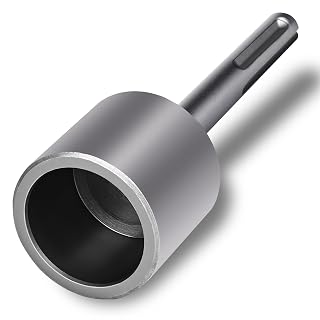 SDS Max Shank T-Post Driver for T PostsCheck price on Amazon
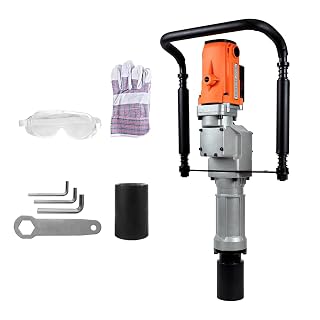 2200W Electric T Post Driver with 2 SleevesCheck price on Amazon
 T Post DriverCheck price on Amazon
 PGD1032 Titan Gas Powered Post DriverCheck price on Amazon
GoatGearLab earns a commission when you buy through links on this page, at no extra cost to you. As an Amazon Associate I earn from qualifying purchases. Affiliate disclosure.
T post driver vs t post puller: the short answer
Buy a driver when you are building or repairing fence line and need posts in the ground. Buy a puller when you are taking posts out: moving a fence line, replacing bent posts or clearing old fence. If you only need one tool for a new fence, it is the driver. The reference listings below cover drivers only; no puller listings were in the data, so the puller side is explained without brand figures.
If you would rather go straight to the products, our best fence post driver for wood posts roundup scores drivers on these points.
Driver types compared
| Type | Example listing | Stated weight | Stated power |
|---|---|---|---|
| Manual hand driver | VASGOR hand post pounder | 8 lbs in the title, 9.2 pounds in the spec table | Arm power |
| Manual hand driver, heavy | Yellow Paw T post driver | 18.5 pounds | Arm power |
| Gas-powered driver | Titan PGD2875 | 30 lbs | 1.3 hp, 1,500 to 2,000 BPM |
| Gas-powered driver, heavy duty | Titan PGD1032 | 34.5 pounds | 140FA 4-stroke, 1,200 to 1,600 BPM |
| Electric driver | HIGOSPRO electric T post driver | Not stated | 2200W, 110V, 2100 BPM, 85J |
| Hammer attachment | MTZUL SDS Max T-post driver | Not stated | Uses your SDS-Max rotary hammer |
| Jackhammer attachment | Generic 30mm hex attachment | 7 pounds | 60-joule jackhammer recommended, not included |
| Post puller | No puller listings in the data | Not stated | Leverage |
Manual drivers
A manual driver is a steel tube with handles that slides over the post; you lift it and drop it, and the weight does the work. The VASGOR hand driver lists a 2.7 inch inner diameter and powder-coated steel, with weight options of 8, 10, 12 and 15 lbs; its title says 8 lbs while its spec table says 9.2 pounds, so confirm before you plan a long fence line. The Yellow Paw driver lists 18.5 pounds, a 2-3/4 inch diameter and 24 inches of length with extra wide handles. Manual drivers are the simplest option and the easiest to carry, and the heavier ones suit hard ground, as the VASGOR listing notes.
Gas and electric drivers
Powered drivers hammer the post down for you. The Titan PGD2875 lists 30 lbs, a 1.3 hp 4-stroke engine and 1,500 to 2,000 BPM, fitting posts up to 3 inches with 1, 1.77, 2 and 3 inch adapter collars. The Titan PGD3875 lists 50 lbs, 1.3 HP, 700 to 1,350 BPM and posts up to 3 7/8 inches in diameter with four adapter collars. The Titan PGD1032 lists 34.5 pounds, a 140FA 4-stroke engine and 1,200 to 1,600 BPM with 1, 1.75 and 2.5 inch sleeves. The VEVOR gas driver lists a 52cc 2-stroke engine, 1300W, 67 pounds, 1300 to 1700 BPM, 50J of impact energy and three heads of 49, 69 and 100 mm, and it warns against sandy or rocky soils and tree roots. The Rhino GPD40 lists a Honda GX35 4-stroke engine, 38 pounds and a 2 inch chuck sleeve, with 30 percent more hitting power than the smaller GPD-30, per the maker. The HIGOSPRO electric driver lists 2200W, 110V, 2100 BPM, 85J of impact energy and 55 and 70 mm sleeves, and it notes it is not suitable for rocky soils.
Hammer attachments
If you already own a big hammer, an attachment turns it into a post driver. The MTZUL SDS Max driver lists a 2 inch inside diameter, 8-1/2 inches long, a 0.3 inch metal wall and compatibility with SDS-Max rotary hammers from brands the listing names, including Milwaukee, Makita, Bosch, DeWalt and Hilti. The Generic 30mm hex attachment fits PH65 or J65-type jackhammers, recommends a 60-joule jackhammer (not included) and fits T-posts from .83 to 1.5 lb/ft, with a lifetime guarantee on the bit and collar stated in the listing. Attachments add the least weight to your kit, since the 7 pound Generic bit is all you carry.
Post pullers
A post puller works the other way: it grips the post and levers it upward out of the soil. The common design is a chain or strap wrapped around the post plus a lever or jack that lifts against the ground, so the post comes out straight instead of bending. No puller listings were in the data, so there are no brand figures to cite here. Pullers suit anyone moving a fence line, replacing bent or rusted posts, or clearing old fence where the posts are still solid.
When you need which tool
New fence line or repairs that add posts: a driver. Moving, replacing or removing posts: a puller. Many goat keepers end up with both, since fence lines shift as pastures rotate. For small jobs, a manual driver such as the VASGOR or Yellow Paw covers the driving, and the soil decides how easy the pulling is: wet clay holds a post tighter than loose loam.
Match the driver to your posts. The MTZUL attachment accepts posts up to 2 inches, the VASGOR fits a 2.7 inch inner diameter, the Yellow Paw lists 2-3/4 inches and the Titan PGD2875 fits posts up to 3 inches. The Titan PGD3875 goes further, driving posts, pipes, rods and stakes up to 3 7/8 inches in diameter. Check the inner diameter or the maximum diameter in the listing against the posts you already own before you buy.
Powered drivers trade weight for speed. The manual drivers here run from 8 to 18.5 pounds; the gas drivers run from 30 pounds on the Titan PGD2875 to 67 pounds on the VEVOR. If you are driving a long line of posts in a day, a powered driver such as the ones in our gas vs electric post driver guide earns its weight. If you are setting a dozen posts, a manual driver is simpler to store and maintain.
Read the listing twice
Post driver listings carry their share of contradictions, and the numbers that conflict are usually the ones you need to match to your posts:
- VASGOR: 8 lbs in the title against 9.2 pounds in the spec table.
- Titan PGD2875: the spec table lists 120 kilovolts and 2000 rpm, fields that do not belong on a gas-powered driver.
- Rhino GPD40: the spec table lists the material as propane and the voltage as 2000 volts, which read like catalog filler rather than driver specs.
- HIGOSPRO: the title and bullets agree on 2200W and 2100 BPM, but no weight is stated anywhere.
Trust the title and bullets over the spec table, and measure your posts against the inner diameter or maximum diameter the bullets state.
What this guide does not cover
This guide covers driver and puller hardware only. It does not cover fence layout, how deep to set posts or how many posts a fence line needs. Pair it with our best T post for garden fence picks when you choose the posts themselves, and see our fence post driver vs auger guide if you are deciding between driving and digging.
FAQs from goat keepers
Do I need both a T-post driver and a T-post puller?
Only if you both build and remove fence. A driver puts posts in the ground; a puller takes them out. A brand-new fence line needs a driver, while moving a fence line or replacing bent posts calls for a puller.
How heavy is a manual post driver?
The listings range from 8 lbs in the VASGOR title (9.2 pounds in its spec table) to 18.5 pounds on the Yellow Paw. Gas drivers run heavier, from 30 pounds on the Titan PGD2875 to 67 pounds on the VEVOR.
Can a post driver pull posts out too?
No. Every listing in the data drives posts down with repeated blows. Pulling a post needs a separate puller that grips the post and levers it upward.
What size post do these drivers fit?
The MTZUL attachment accepts posts up to 2 inches, the VASGOR lists a 2.7 inch inner diameter, the Yellow Paw lists 2-3/4 inches and the Titan PGD2875 fits posts up to 3 inches. The Generic jackhammer attachment fits T-posts from .83 to 1.5 lb/ft.
More from the barn
See every post driver and puller guide and all fencing and shelter guides.
More picks: best T post for garden fence, fence post driver vs auger, gas vs electric post driver and fence post driver for wood posts.