

On this page
Top picks at a glance
As an Amazon Associate I earn from qualifying purchases.
- 1
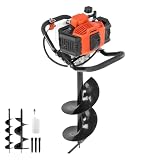 VEVOR 52cc Gas Powered Post Hole Digger with 6 and 10 Inch9.7/10View on Amazon
- 2
 DC HOUSE 52cc Gas Post Hole Digger with 6 in and 10 in Bits9.7/10View on Amazon
- 3
 Wild Badger Power 40V Cordless Electric Earth Auger Post Hole9.7/10View on Amazon
- 4
 XtremepowerUS 1500W Electric Post Hole Digger Earth Auger DigView on Amazon
- 5
 VEVOR Post Hole DiggerView on Amazon
- 6
 72CC Gas Powered Post Hole Digger with 3 AugerView on Amazon
- 7
 72CC Gas Powered Post Hole Digger with 2 Drill BitsView on Amazon
- 8
 72CC Post Hole Digger Gas PoweredView on Amazon
- 9
 52CC Gas Post Hole Digger with 3 Auger Bits & 3 ExtensionsView on Amazon
A leaning post, a gate that drags and a goat standing on the wrong side of the fence all start with the same job: a hole dug in the wrong place or dug crooked. Post hole digger tips come down to a short list: mark the line, pick the digger for the ground, dig straight in stages, clear rocks and roots as you find them, and set each post level and braced. This guide walks through each step so the fence you build stays upright.
Also worth comparing
 XtremepowerUS 1500W Electric Post Hole Digger Earth Auger DigCheck price on Amazon
 VEVOR Post Hole DiggerCheck price on Amazon
 72CC Gas Powered Post Hole Digger with 3 AugerCheck price on Amazon
 72CC Gas Powered Post Hole Digger with 2 Drill BitsCheck price on Amazon
 72CC Post Hole Digger Gas PoweredCheck price on Amazon
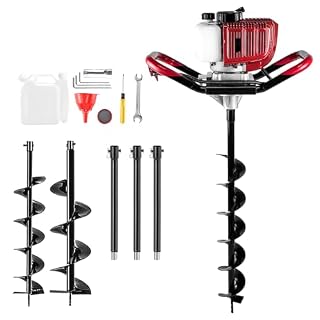 52CC Gas Post Hole Digger with 3 Auger Bits & 3 ExtensionsCheck price on Amazon
GoatGearLab earns a commission when you buy through links on this page, at no extra cost to you. As an Amazon Associate I earn from qualifying purchases. Affiliate disclosure.
Post hole digger tips: the short answer
Start with the line, not the digger. Mark where each post goes, check what lies under the ground, and then dig each hole straight down, clearing loose dirt as you go. A hole dug in stages stays straighter than a hole dug in a rush, and a post set level and braced in a clean hole stays put for years. The rest of this guide takes each piece in turn, from picking the digger to setting the post.
Pick the right digger for the ground
A manual clamshell digger suits a short run of posts in soft ground: it cuts a clean hole, needs no fuel and fits in the back of a truck. An auger suits a long fence line or hard ground, since it bores fast and takes the strain off your back, but it needs room to work and a firm grip when it catches a root. A powered auger suits ground that a hand digger cannot move, yet it can kick when it hits a rock, so keep a steady stance and never wrap your hands around the handles. The post hole digger manual guide covers choosing a manual digger, and the post hole auger tips guide covers augers in more detail. Pick the digger by the ground and the length of the run, not by the catalogue.
Mark the line before you dig
A straight fence starts with a straight line. Run a string between the end posts and mark each hole along it, so the posts land in a row and the wire runs true. Walk the line first and look for rocks, roots, stumps and low spots, since a hole planned around an obstacle beats a hole dug into one. Call the local utility marking service before you dig anywhere near a house, a barn or a buried line, and wait for the marks before the first shovel goes in. The how to dig a fence post guide covers tools and steps for the whole job.
Dig straight and in stages
Open the hole with the digger blades closed, then open them to bite and lift the dirt out. Work down in stages, clearing loose dirt from the hole each time, so you can see the bottom and keep the sides straight. Check the hole often with a level held against the side, and correct a lean early, since a hole that drifts at the top drifts further at the bottom. Keep the top of the hole no wider than it needs to be: a wide top makes a weak collar of dirt around the post, while a straight-sided hole grips the post along its whole length. Take your time at the bottom, where the post will sit, and clear the loose dirt so the post rests on firm ground, not on a pile of fill.
Rocks, roots and hard ground
Every fence line has a rock or a root waiting in it. When the digger hits a rock, lift the rock out with a pry bar rather than forcing the blades past it, and widen the hole just enough to free it. Cut roots with loppers or a saw, and pull the cut ends clear before digging on, since a root left in the hole will push the post out of line as it rots. In dry, hard ground, wet the spot the day before and let the water soak in, which softens the dirt without turning the hole to mud. If the ground will not move at all, shift the hole a little along the line rather than fighting it: a post a short step from its mark still holds a straight fence.
Size the hole to the post
A hole should fit the post with room to work around it, and no more. Dig deep enough that the post sits firm against wind and goats leaning on the wire, and wide enough to tamp backfill around it on every side. A hole too shallow leaves the post wobbly, and a hole too wide leaves loose dirt that settles and tilts the post. The standard fence post size guide covers post dimensions, and the wood fence post sizes guide covers common diameters and lengths. Match the hole to the post you hold, not to the post you wish you had bought.
Set the post and backfill
Set the post in the hole, check it with a level on each face and brace it before you backfill, since a post that moves while you tamp will set crooked. Backfill in layers, tamping each layer firm before adding the next, so the dirt grips the post along its whole length. Concrete suits corner posts and gate posts, where the strain is highest, while tamped dirt suits line posts in good ground. The how to set fence post in concrete guide covers concrete setting, the how to brace a fence post guide covers bracing, and the how to level fence post guide covers levelling. Crown the dirt a little at the top so rain runs away from the post, not into the hole.
A simple checklist
- Line is marked and utilities are checked
- Digger suits the ground and the length of the run
- Hole is straight, with firm ground at the bottom
- Rocks and roots are cleared before setting
- Post is level and braced before backfill
- Backfill is tamped in layers, with dirt crowned at the top
For the next step, see the how to put in a fence post guide, and browse the fencing and shelter guides for the rest of the setup.
What this guide does not cover
This guide covers digging and setting posts only. It does not cover fence layout, wire, gates or chargers. Ask your local extension office about fence rules and buried lines in your area.
FAQs from goat keepers
What is the best post hole digger for goat fencing?
It depends on the ground and the length of the run. A manual clamshell digger suits a short run in soft ground, while an auger suits a long line or hard ground. Pick the digger by the ground you face, not by the catalogue.
How do I dig a post hole in rocky ground?
Work around the rocks, not through them. Lift each rock out with a pry bar, widen the hole just enough to free it, and clear the loose dirt before digging on. If a rock will not move, shift the hole a little along the line.
Should I use concrete for fence posts?
Concrete suits corner posts and gate posts, where the strain is highest, while tamped dirt suits line posts in good ground. The how to set fence post in concrete guide covers concrete setting in detail.
How do I keep a post hole straight?
Dig in stages and check often. Clear loose dirt from the hole each time so you can see the bottom, hold a level against the side, and correct a lean early, since a hole that drifts at the top drifts further at the bottom.
What do I do when the digger hits a root?
Stop and cut it. Use loppers or a saw to cut the root, pull the cut ends clear and then dig on. Forcing the digger past a root bends the blades and leaves the root in the hole to push the post out of line later.
More from the barn
See every fence post driver guide and all fencing and shelter guides.
More picks: how to dig a fence post, post hole digger manual, post hole auger tips and types of fence post.